

Article Detail
30 Oct
Anti-pulling aids
There are lots of devices (mostly harnesses and head collars) that claim to help stop dogs from pulling on the lead. Some of these rub, squeeze or pinch the dog, and tend not to be tolerated well, so shop around and make sure that your puppy is comfortable wearing it. You should allow your puppy time to become accustomed to any aid you decide on. However, if you ensure correct training from the start, your puppy should not pull on the lead.
Bedding
Your puppy needs a comfortable bed, so buy a bed big enough for it to grow into, and stretch out in. There are many types of good bedding for your puppy.
Most puppies love snuggling into a piece of 'vetbed' or similar. This is a synthetic simulated sheepskin, which is hygienic, machine washable, totally non-allergenic and relatively resistant to chewing. It can also help to prevent pressure sores on bigger dogs. Buy two pieces so you use one while washing and drying the other.
Bowls for food and water
You will need separate (non-slip) bowls for food and water. These should be raised up off the floor for tall dogs. Make sure fresh water is always available for your puppy.
Car harness, traveling crate or dog guard
A dog should travel either behind a dog guard, secured with a car seat harness or, ideally, in a crate or fixed car cage. A crate or cage gives a dog its own space and ensures both safety and comfort. If you have space for a crate then this provides a safe haven for your puppy in the car. There is nothing worse than seeing a dog squashed in a car with luggage piled up around it.
Accustom your puppy to car travel with very short trips at first ideally when the puppy is tired so it will go to sleep. If the puppy is car sick try fixing the crate on the back seat as the car sways far more at the back which can cause travel sickness.
Clothing
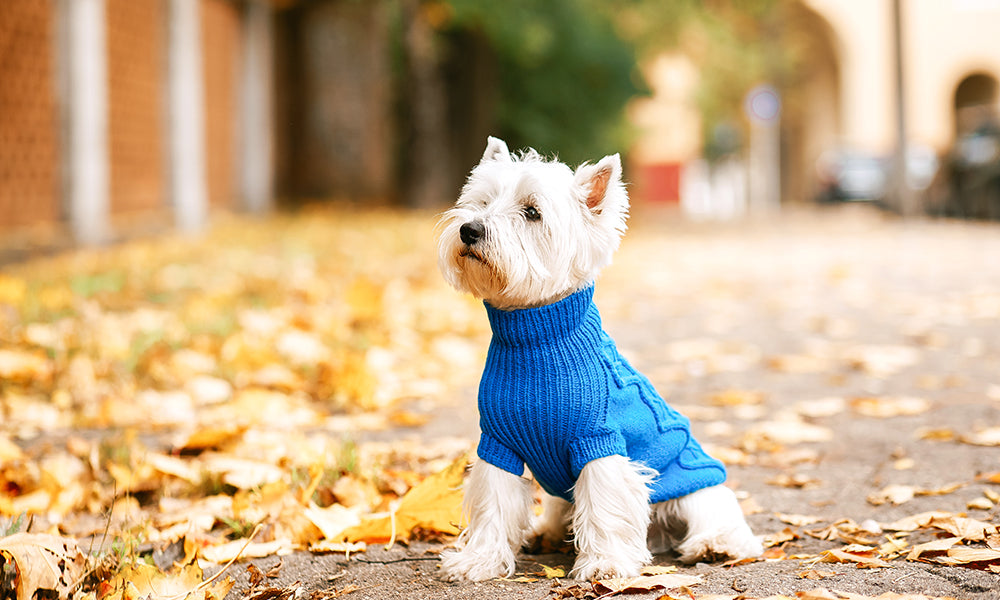
Some short coated or recently clipped dogs really feel the cold, so may benefit from wearing a fitted jumper or coat when out on walks. Some long coated dogs may benefit from protective clothing to keep them clean and dry in winter weather. Make sure it fits properly and is well tolerated by your puppy. Never make your puppy wear clothes indoors.
Collars
Choose a comfortable collar that is suitable for the breed, size and age of puppy. Puppies grow rapidly and collars should be checked almost daily for condition and fit. These should not be so loose that they can slip over your puppy's head or so tight that you cannot slip two fingers underneath.
Grooming equipment
Short coated dogs need to be groomed regularly, especially when they are moulting as their short hairs get can get stuck into everything! Use a rubber toothed brush or a short bristle brush, which massages the skin and works out the loose hair.
Breeds with medium to long coats or thick undercoats need gentle de-tangling every day to keep them knot free. The main problem areas that need the most attention tend to be behind the ears, between the toes, under the feet, in the armpits, the backs of the legs and around the tail. Some dogs will need to have their beards or hair around their eyes cleaned regularly.
If you are not showing your puppy you may wish to trim these areas back. However, use round ended scissors so that you do not accidentally stab your puppy, and get someone to help you if your puppy will not stand still, otherwise ask an experienced groomer to do this for you.
If you intend to exhibit your puppy in the show ring it may need to have its coat trimmed into a special shape, or need hand stripping or clipping. Your breeder, a groomer, ringcraft class or breed club can advise you on the best way to achieve this. They can also advise you on the best type of brushes and combs to use. Contact details for your breed club can be found in the Breed Information Centre.
Always brush your puppy slowly and gently. Gradually introduce the concept of grooming in very short sessions. If your puppy tries to bite the brush, put some taste deterrent on the brush so it learns not to bother.
Some dogs will need to have their nails trimmed if they get too long. If your dog has dew-claws (like little thumbs on the inside of its 'wrists') they should be checked frequently as these do not get worn down naturally and can grow in a circle and cut into the flesh. You can learn to trim the nails yourself or have a vet or groomer do it for you.
In particular, dogs with white or sparse coats can be susceptible to sunburn so use a high factor sun cream on their ears and other exposed areas in hot sunny weather.